
Quiet luxury isn’t new; it’s a wardrobe logic built on restraint, durability, and social signals that don’t need logos to be understood. That is the essence of old money fashion: looking polished through fit, fabric, and consistency rather than trend-chasing.
This article explains what defines the aesthetic, which pieces reliably create it, and how to adopt it in a practical way—without turning it into costume or brand worship.
What “Old Money” Style Actually Means
Old money fashion is less a single look than a set of priorities: timeless silhouettes, high-quality materials, and a preference for subtlety. The goal is continuity—clothes that could plausibly be worn across decades with minor updates, not reinventions every season.
It tends to favor classic tailoring and preppy heritage references: blazers, trench coats, wool trousers, loafers, cable knits, and crisp shirting. Colors stay disciplined—navy, cream, camel, gray, olive, and black—with small doses of burgundy or forest green for depth.
The main contrast is with “new money” or maximalist luxury. Where flashy style uses overt branding, novelty cuts, and high-contrast color, old money fashion communicates status through understatement: neat proportions, clean finishing, and an overall sense that nothing is trying too hard.
The Core Wardrobe: Pieces, Fabrics, and Fit
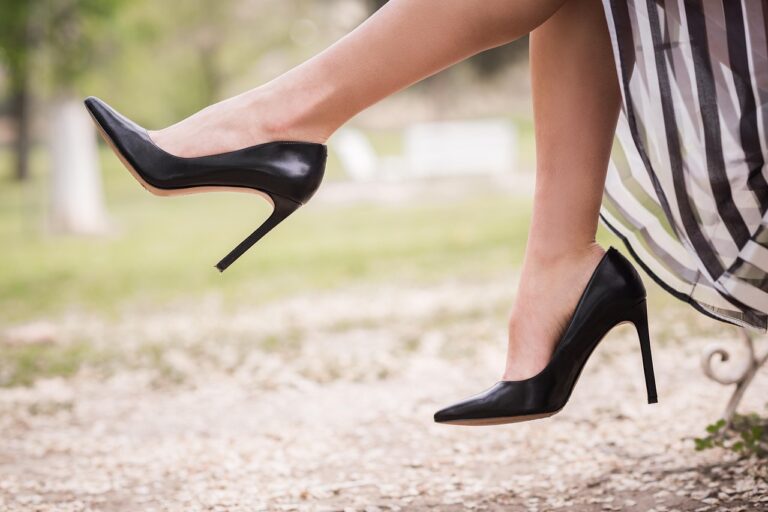
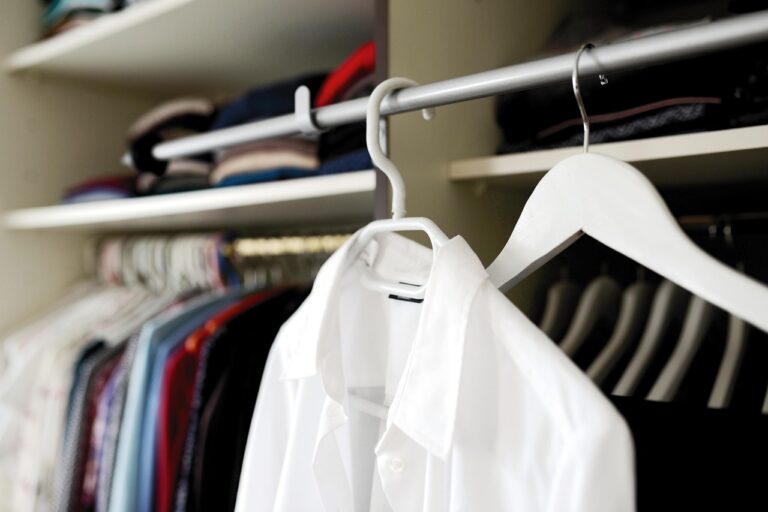
Start with a small set of repeatable items and build around them. A typical foundation might include: one structured blazer, one wool overcoat or trench, two pairs of trousers (wool and cotton), dark straight-leg denim, two knitwear options (merino and cashmere), a white and a light-blue shirt, and one pair each of loafers and simple leather sneakers. This is enough for dozens of combinations without looking repetitive.
Fabric choice does most of the work. Wool (including merino), cotton poplin, linen, cashmere, and silk wear elegantly because they drape well and age in a believable way. In contrast, shiny synthetics, thin blends that pill quickly, and overly stretchy suiting tend to look disposable. Even small upgrades matter: heavier cotton in shirts, fully lined outerwear, and dense knitwear that holds shape after many wears.
Fit is the “secret” people overlook. Old money fashion isn’t necessarily tight or oversized; it is controlled. Shoulder seams should sit at the shoulder, trousers should break cleanly at the shoe, and sleeves should end where the wrist begins. One practical rule: if you change only two things—hem length and waist/seat fit—you can make mid-priced garments look far more expensive.
How to Wear It Without Looking Like a Costume
The quickest way to miss the mark is to treat the aesthetic as a uniform: head-to-toe beige, overly preppy accessories, or exaggerated “heritage” signals all at once. Real old money fashion reads as normal and functional—clothes chosen for weather, setting, and habit. Mix one “classic” anchor (a navy blazer) with something plain and modern (a clean crewneck tee) to keep it grounded.
Prioritize consistency over constant upgrades. A restrained rotation—say 20–30 wearable items for a season—creates the impression of stability, which is part of the message. Repeating a great coat or a favorite pair of loafers is a feature, not a flaw, as long as the items are well maintained.
Grooming and care matter as much as labels. Shoes should be cleaned and conditioned, knitwear de-pilled, collars pressed, and buttons secure. Many people associate old money fashion with “effortless” style, but the truth is that the effort is simply moved offstage: tailoring, repairs, and proper storage keep garments crisp without needing constant novelty.
Conclusion
Old money fashion is a strategy: invest in fit, fabric, and subtle coordination so your clothes look composed year after year. If you build a small, high-utility wardrobe and maintain it well, the aesthetic follows naturally—without chasing trends or shouting for attention.