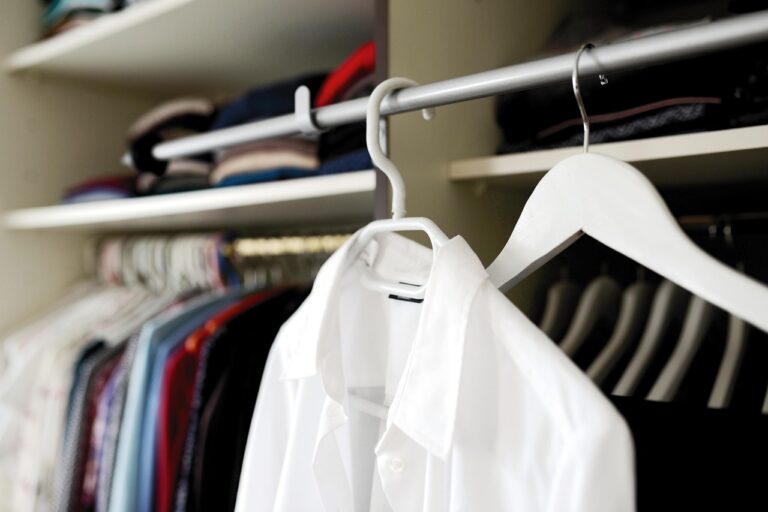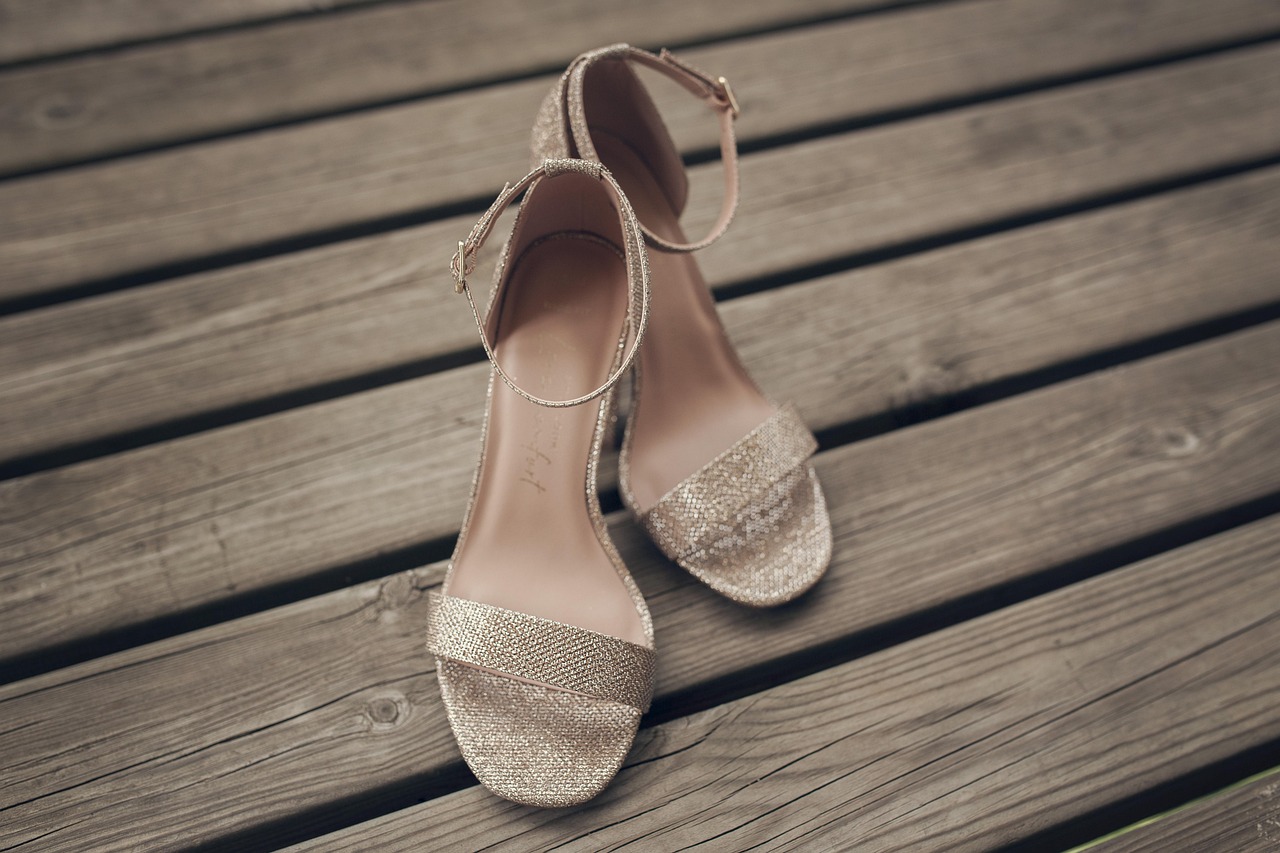

Gen z fashion moves fast, but it is not random: it is a set of choices shaped by phones, thrift culture, and a constant remix of past decades.
This article explains what defines the look today, why it keeps shifting, and how values like sustainability and identity show up in what people buy and wear.
1) A style built on remixing, not trends
Gen z fashion is less about “the” seasonal trend and more about mixing references across eras. You can see early-2000s silhouettes (low-rise jeans, tiny bags), 1990s minimalism (straight denim, simple tanks), and streetwear staples (hoodies, sneakers) worn side by side. The point is the combination, not the origin story.
Social platforms accelerate this remixing. A micro-aesthetic can rise, peak, and fade quickly because discovery is algorithm-driven and global. Instead of a handful of magazines setting the agenda for months, thousands of creators update outfits daily, and viewers copy, alter, or parody them within hours.
That pace creates contrast: “timeless basics” are still popular, but they are often styled with one loud, identity-forward piece. Think plain black trousers paired with a bold graphic tee, statement boots, or a bag that signals a niche community or fandom. The mix communicates taste and membership more than wealth.
2) Values in the wardrobe: thrift, resale, and accountability
For many young shoppers, price and ethics overlap. Thrifting, resale, and clothing swaps are practical ways to stretch budgets while reducing waste. Buying secondhand also feeds the desire for uniqueness: one-of-one finds and discontinued items help people stand out in a scrollable world where sameness is easy to spot.
At the same time, gen z fashion puts pressure on brands to show their work. People ask about fabric content, factory conditions, and how returns are handled. While not every purchase is value-driven, the conversation is louder than in previous decades, and companies increasingly respond with recycled fibers, repair programs, and more detailed product information.
The tension is real: ultra-cheap fast fashion still wins on convenience, especially for trend experiments and “one-event” outfits. But the cultural expectation has shifted. When a brand is accused of greenwashing or poor labor practices, backlash can spread quickly, and reputation damage can be immediate because critique travels in the same feeds as the marketing.
3) Identity, comfort, and the new rules of “looking put together”
Gen z fashion often blurs lines that used to be strict: formal versus casual, masculine versus feminine, workwear versus leisure. Comfort has become a baseline, not a guilty pleasure. Relaxed tailoring, wide-leg pants, oversized shirts, and sneakers with dressier pieces reflect a world where many social spaces overlap and where dressing for long days matters.
Self-expression is central. Gender-fluid styling is more visible: skirts with boots and boxy tees, cropped jackets on any body, and accessories like nail polish or jewelry used as everyday signals. Rather than dressing to fit a single norm, many people dress to fit their mood, community, or creative identity.
“Put together” now often means intentional contrast and grooming rather than full formality. A clean hairstyle, simple makeup, and coordinated color palette can make a casual outfit read polished. Small choices—hem length, shoe shape, bag size, and layered textures—carry more weight than big labels, because they show attention to detail in photos and in real life.
Conclusion
Gen z fashion is defined by remix culture, visible values, and flexible rules: it blends eras, questions production, and treats comfort and identity as essentials rather than exceptions.