
Fashion moves fast, but a few figures keep shaping what the rest of the world decides looks “right” this season. These fashion icons do more than wear clothes well: they turn personal choices into repeatable ideas that travel through magazines, films, runways, and now social media.
This article explains what makes someone an icon, how influence has changed from Hollywood and royalty to creators and athletes, and what their impact means for everyday style.
What Makes a Fashion Icon
A fashion icon is recognized not just for taste, but for consistency and cultural timing. Their look is identifiable in a single photo—think a signature silhouette, a recurring color palette, or a trademark accessory—and it stays coherent even as trends change around them.
Icons also reflect bigger shifts: women entering new workplaces, youth movements redefining formality, or subcultures challenging mainstream dress codes. When a style aligns with a cultural moment, it becomes legible to millions of people at once, which is why the same outfit can read as “too much” one year and “modern” the next.
Finally, icons create imitation at scale. An outfit matters less than the copy cycle it triggers: editorial spreads, brand lookbooks, high-street knockoffs, and people recreating it for everyday life. That repeatability is what turns a personal wardrobe into a template.
From Screen, Stage, and Royalty to Street Style
For much of the 20th century, the strongest style signals came from film studios, music, and royal visibility. Hollywood promoted controlled glamour—clean tailoring, polished hair, and deliberate costuming—while musicians pushed bolder identities through performance wardrobes. Royal figures, photographed in formal settings, reinforced the idea that clothing could communicate duty, restraint, and continuity.
In contrast, late-20th-century street style introduced a new logic: authenticity and attitude. Subcultures used clothing to mark belonging—boots, denim, oversized silhouettes, specific hairstyles—often in defiance of luxury norms. The influence here came from visibility in public spaces and later in photography, not from official campaigns.
Today, influence is fragmented but faster. A single well-timed appearance can generate hundreds of recreations within days because styling is shared instantly. The result is that modern fashion icons may have smaller individual reach than a classic movie star once did, but they can spark more immediate, measurable trend adoption.
How Icons Shape the Industry and Everyday Wardrobes
Icons affect design decisions because brands can forecast demand through recognizable signatures. When an icon repeatedly wears a particular silhouette—say, a sharply defined shoulder, a minimalist column dress, or a wide-leg trouser—similar shapes appear across multiple price points within a season or two. This is not only inspiration; it is risk management for retailers who need proof that a look can sell beyond the runway.
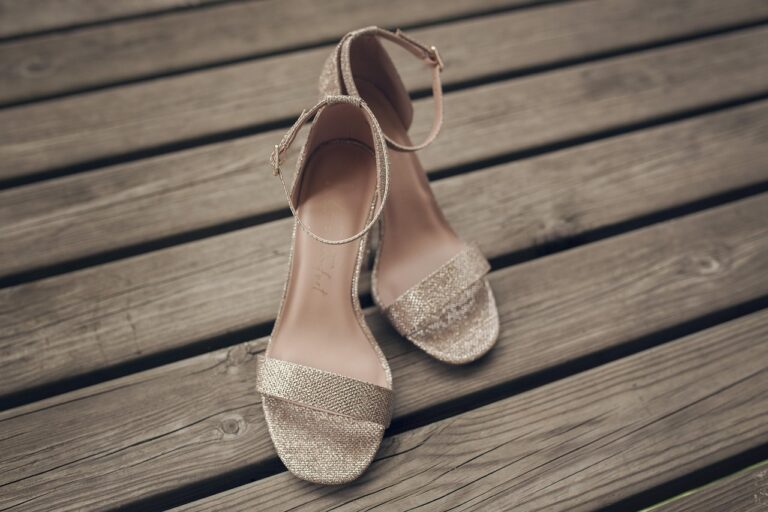
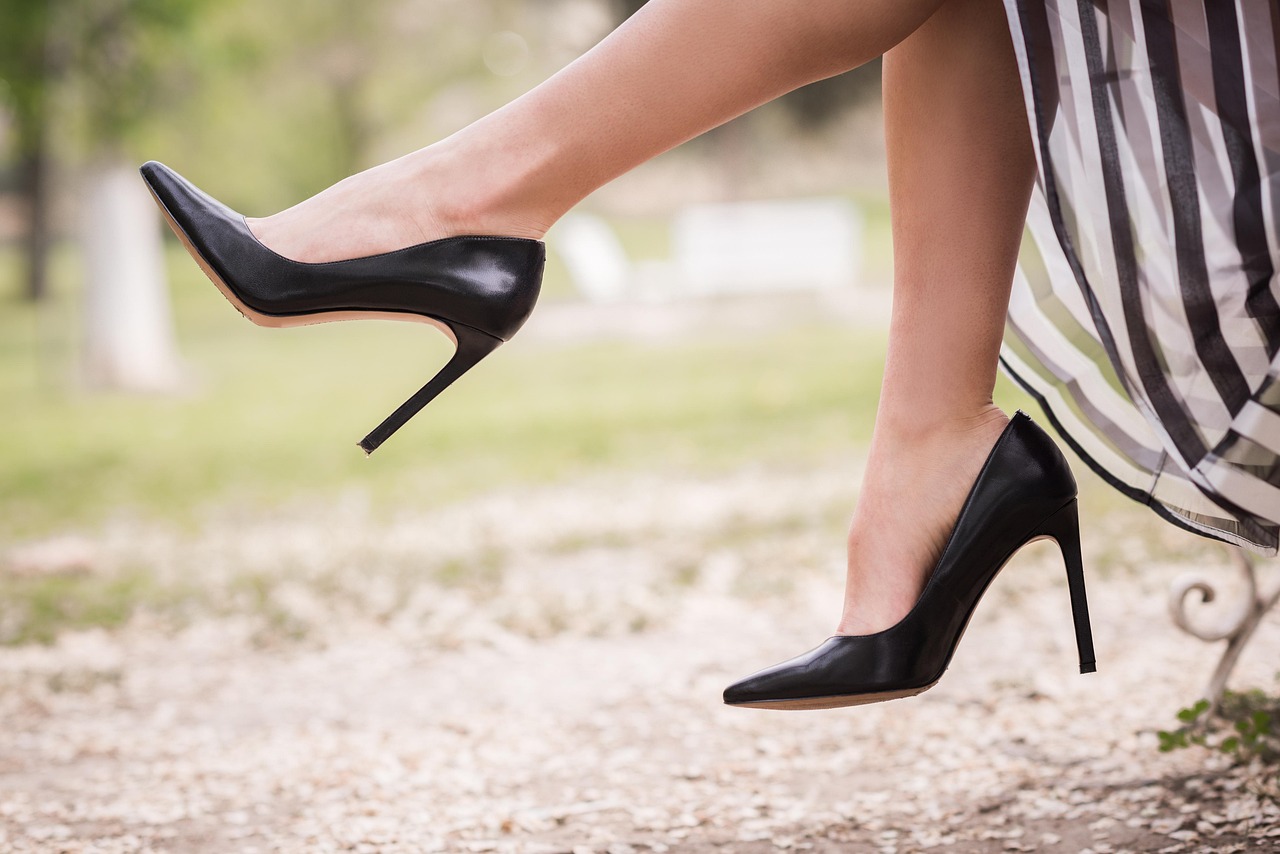
They also influence purchasing through “hero items.” One bag, one shoe style, or one pair of sunglasses becomes shorthand for a whole aesthetic, which is why accessories often carry the strongest icon effect. Accessories are easier to adopt than full outfits, fit a wider range of bodies and budgets, and photograph well, making them ideal vehicles for trend diffusion.
At the personal level, fashion icons help people make decisions with fewer options. Instead of chasing every microtrend, many readers borrow a stable framework: a consistent neutral base, a reliable tailoring formula, or a particular mix of vintage and modern. In that sense, icons function like visual guides—showing how to repeat outfits, build uniform-like rotation, and still look intentional.
Conclusion
Fashion icons endure because they combine a clear point of view with cultural relevance, turning individual style into a shared language that brands amplify and people adapt to their own lives.